Unpopular opinion: think INSIDE the box.
In a recent discussion with fellow marketers, we explored how conversion rate optimization efforts truly create impact and where teams tend to invest effort prematurely. What emerged was a pattern I’ve seen play out countless times: companies racing toward solutions before they’ve properly diagnosed the problem.
The real problem isn’t what you think
Most websites don’t have a traffic problem. They have a friction problem.
I watch teams obsess over driving more visitors while their existing traffic leaks out through a dozen holes in the user journey. It’s like filling a bathtub without plugging the drain first.
Before redesigns, new features, or A/B testing CTAs, start with a white page and work with what you already have. Reinventing the wheel too early is usually a distraction from the fundamental issues right in front of you.
The fresh eyes audit
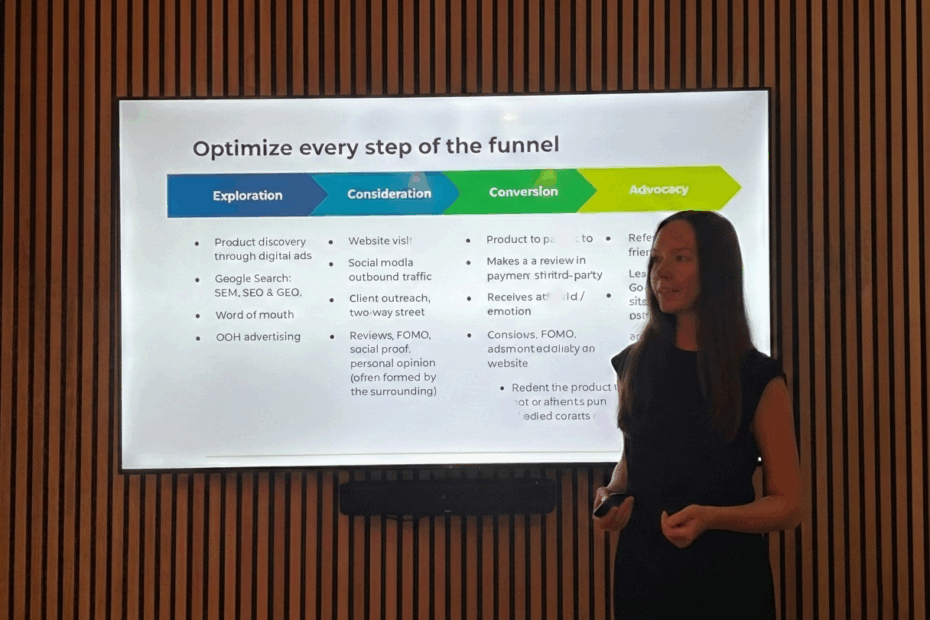
Here’s what actually works: Audit every step of the funnel as if you’re the customer, not the business owner. Walk the entire user journey with fresh eyes.
Friction points, unclear messaging, broken expectations, and missing trust signals surface before you ever get to “optimization.” You don’t need fancy tools for this, just honesty and the willingness to see your website the way a stranger does.
Ask yourself at every step:
- Would I understand what this company does if I landed here from a Google ad?
- Is the next step obvious, or am I hunting for it?
- Does this page answer my questions or raise new ones?
- Do I trust this enough to enter my credit card?
The answers are usually uncomfortable. That’s exactly why this exercise is valuable.
Subtraction, not addition
Great CRO isn’t about adding more. It’s about removing what’s in the way.
Some of the highest conversion lifts I’ve seen came from removing steps, copy, or decisions, not adding new CTAs, messages, or features. Every field in your form is a decision. Every paragraph of copy is a potential point of confusion. Every navigation option is a path away from conversion.
What happens when you remove the “Learn More” button that nobody clicks? Delete the paragraph explaining features that don’t matter? Cut your checkout from four steps to two?
Often, you get a conversion rate that doubles.
The A/B testing trap
This brings me to the core issue: A/B testing on top of a flawed user journey rarely produces meaningful wins. If the foundation is broken, you’re just testing which version fails slightly less.
I see it constantly:
- Testing button colors while the value proposition is unclear
- Optimizing headlines while page load time is 8 seconds
- Experimenting with CTAs while the checkout process has friction at every step
- A/B testing pricing page layouts while the product benefits aren’t even clear
You might get a 3% lift. Maybe 5% if you’re lucky. But you’re optimizing failure.
Fix the foundation first
Real optimization starts with fixing the foundation.
Before you run your next A/B test, ensure:
- Users understand what you do within 3 seconds of landing
- The path to conversion is clear and logical
- You’ve removed unnecessary steps and friction
- The page actually addresses the user’s core problem
- Trust signals exist where doubt naturally occurs
Then test. Test messaging angles. Test different ways of presenting value. Test pricing structures. These tests will actually matter because they’re building on solid ground.
A 50% improvement on a solid foundation beats a 5% lift on a broken one every single time.
The inside-the-box advantage
Thinking inside the box means working with the assets, traffic, and user journey you already have. It means being brutally honest about what’s broken. It means having the discipline to fix fundamentals before chasing shiny objects.
It’s not sexy. It won’t make for a great case study about how you “disrupted” your industry with a radical redesign. But it will convert better, and that’s the entire point.
Stop optimizing failure. Fix the journey first. The tests will work better, the wins will be larger, and you’ll finally stop wondering why all your “optimizations” barely move the needle. And once ready, here are the key strategies on how to optimize your website and increase conversion rates.